Tarnside Trails: Wildlife and Wildflowers on Woodland Loops

Step onto mossy paths around Lake District tarns and join us in wildlife and wildflower spotting along sheltered woodland loops. Today we set our sights on red squirrels, chorus-loving warblers, dragonflies, and carpets of bluebells beside tranquil water. Expect practical routes, fieldcraft tips, conservation-friendly photography ideas, and heartfelt stories. Share your own sightings, subscribe for fresh walks, and help this community celebrate these fragile places all year round.

Seasons Shaping Tarnside Life

Around small, mirror-bright tarns, the year turns like a quiet compass, guiding color, sound, and movement through oak, birch, and larch. Spring unwraps bluebells and returning migrants; summer lifts damselflies and swallows; autumn settles mushrooms and soft gold; winter reveals tracks, silhouettes, and still reflections. Understanding that rhythm helps you choose the right hour, angle, and footstep, so encounters happen gently and memories feel earned rather than chased or disturbed.

Wildflowers You Can Actually Find

Identification comes alive when you pair careful looking with place and season. Around these woodland loops, plants tell stories: carpets suggest ancient woods, orchids whisper of wet, lime-poor ground, and tiny carnivores hint at nutrient-starved soils. We’ll share distinguishing features, respectful viewing tips, and ways to photograph blooms without harm. Remember: never uproot, avoid picking on reserves, and leave every plant standing for pollinators, seed set, and tomorrow’s walkers’ delight.


Fieldcraft for Quiet Encounters

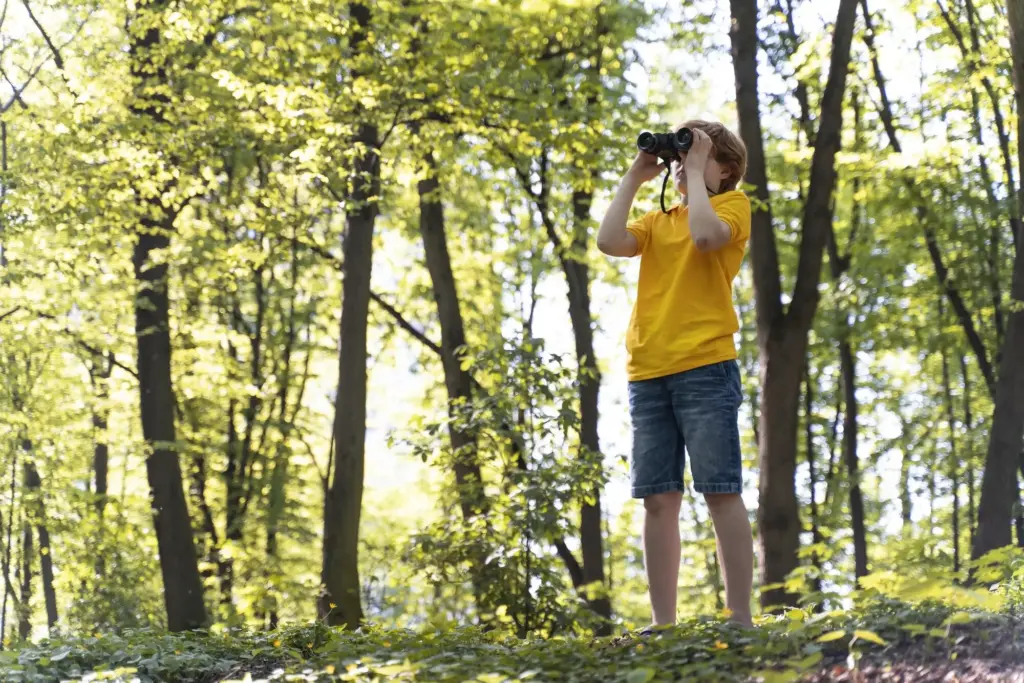
Success along woodland loops often comes from calm habits rather than long lenses. Walk into the wind when you can, keep clothing muted, and pause longer than feels natural. Scan ecotones where woodland meets water, watch for movement more than shape, and use trees as blinds. Note the time, weather, and behavior in a pocket notebook. Each careful page builds intuition, making tomorrow’s moments gentler, closer, and kinder to wildlife.

Loops Worth Lacing Your Boots

A well-made path loops through mixed woodland with glimpses across still water and distant fells. Watch for red squirrels along larch margins, treecreepers on silvered trunks, and spring carpets of bluebells and wood sorrel in shaded gullies. Detour onto quieter spurs for dragonfly activity on warm days, but keep to solid paths near wet edges. Share your favorite quiet bench in the comments, and include time of day for future wanderers.
Climb beside tumbling becks toward a tarn cradled by crags, where woodland thins to bracken islands and rowan perches. Along lower approaches, listen for redstarts and watch stone walls for lizards sunning. Higher up, scan for ring ouzels in early season while respecting distance. Flower interest shifts from anemones to tormentil and grasses, with orchids in wetter hollows. Note how habitats change with altitude, and ask readers for alternative return routes they love.
Weave among oak and larch knolls to reach beautifully framed reflections alive with swallows and sometimes little grebes. In late spring, look for bluebells spilling down banks; in high summer, watch common hawkers patrol the margins like sentinels. Seek tree pipits along lightly grazed edges, and take a quiet picnic on durable ground. Post your route tweaks, viewpoint tips, and respectful photo spots, helping newcomers find wonder without trampling precious corners.

Photography That Leaves No Trace

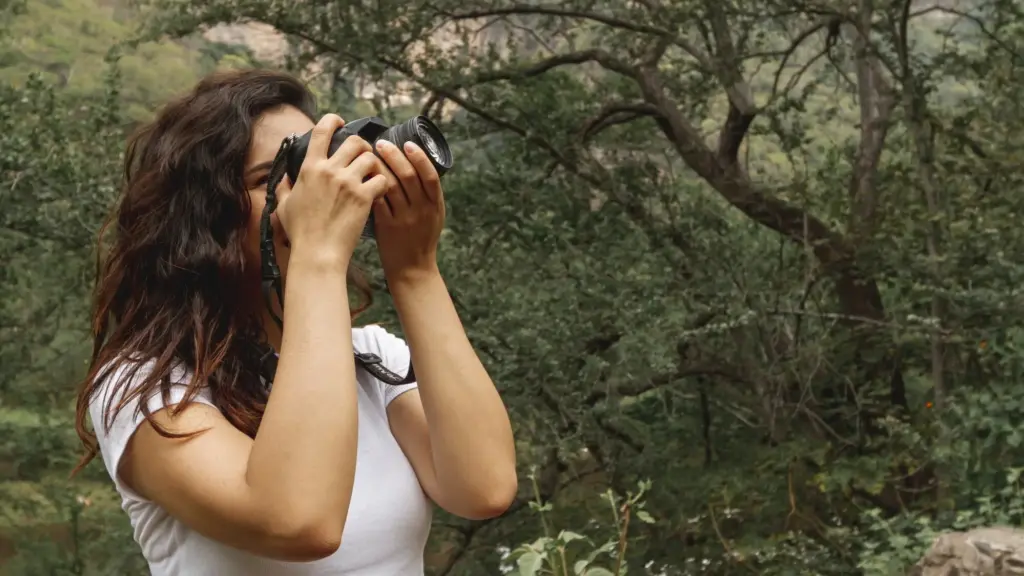
Great images grow from empathy as much as optics. Choose light that flatters petals and fur, stay off saturated bogs, and accept that some moments are for your heart, not the card. Use longer lenses rather than steps, stabilize with trees instead of tripods on soft moss, and set expectations around weather’s whims. Share camera settings generously, but never coordinates for sensitive sites; your restraint becomes another layer of protection.
Begin with the narrative: a squirrel’s purposeful leap, a dragonfly’s patient patrol, or bluebells sheltering a centuries-old boundary stone. Compose to include habitat clues—reed heads, lichened bark, ripples—so viewers understand place. Step back, zoom in, and keep feet on durable surfaces. Use diagonals from shoreline to canopy, and embrace negative space for calm. Invite readers to share before-and-after crops explaining choices, building a friendly learning loop without encouraging risky closeness.
Macro rewards the observant, yet fragile ground suffers heavy pressure. Swap tripods for beanbags or a jacket on a rock, and shoot from paths with longer focal lengths. Seek overcast skies for even tones, or backlight petals for glow while shading the lens. Focus on details that tell truth—pollen dust, dew strands, minute hairs—then step away the same way you arrived. Encourage others to comment with gentle critiques and field-safe techniques.

Care, Access, and Community

Wild places depend on considerate footsteps and shared stewardship. Stick to established paths over peat, give space during nesting season, and keep dogs close where signs request. Never uproot plants, and avoid picking or collecting on protected sites. Use gates, not fences, and leave stiles as found. Support guardians like Cumbria Wildlife Trust, Fix the Fells, and local red squirrel groups. Add your voice kindly in comments, guiding newcomers toward good decisions.

Notes from the Path

Anecdotes carry the scent of leafmould and rain, teaching more than checklists ever could. Here are small moments gathered along woodland loops where tarn light breathes like a second sky. Let them spark your own memories, and please share yours below. When many voices echo kindly, the paths feel safer, the flowers brighter, and the wildlife bolder, because patient people learn together how to walk softly and leave only gratitude behind.
Tarimiranarilaxisanoxari
Privacy Overview

This website uses cookies so that we can provide you with the best user experience possible. Cookie information is stored in your browser and performs functions such as recognising you when you return to our website and helping our team to understand which sections of the website you find most interesting and useful.